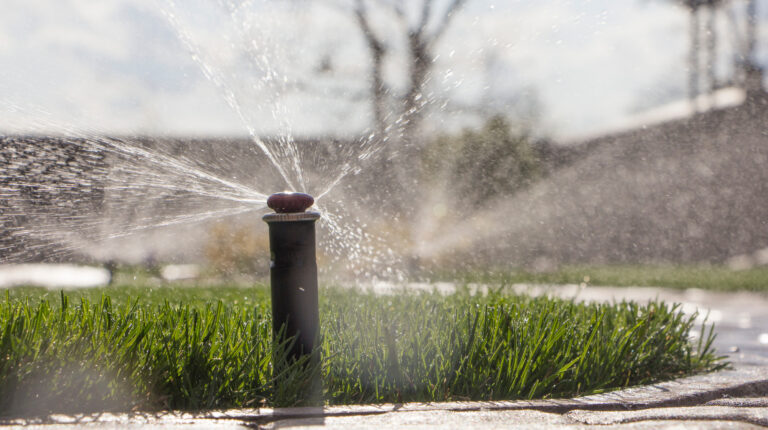
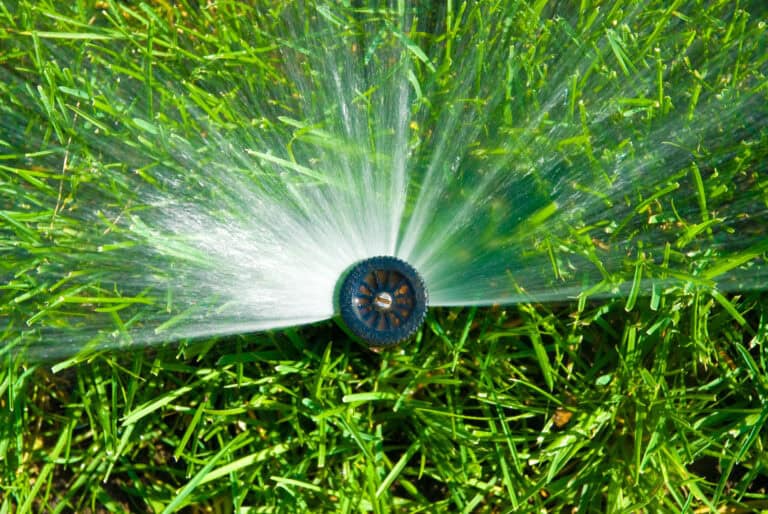
As Austin enters the summer season, it’s good to take stock of what your lawn and garden will need to stay healthy during the long, hot days ahead. A good way to do this is to run checks on pre-existing systems to make sure they’re irrigating your landscape properly and consider other watering methods that may be more effective than ones you may currently be using.
1. Find out current water penetration levels.
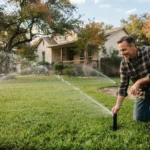
Choose several lawn and garden spots that main irrigation system services. About 30 minutes after watering, dig small holes at these sites with a trowel or shovel and check to see how far beneath the surface the water has penetrated. Subsurface water seepage that measures less than 6 to 8 inches indicates the need for system modification.
2. Check for uniform water application, especially in portable sprinklers.
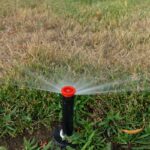
If you’re like many homeowners, you use portable sprinklers to water your lawn. To ensure that your system is spreading water evenly across your yard, take some plastic cups and place them around the area your sprinklers service. Put a few rocks in each one to keep them from blowing over. Once the cups are in place, turn your sprinkler on. After 30 minutes, compare the water levels in each cup. Levels that are not uniform mean that your sprinklers require adjustment.
3. Consider using water emitters and soaker hoses for shrubs and beds.
You could hand-water shrubs and flowerbeds. But it’s more time saving and water efficient to use either emitters or soaker hoses.
Dripper systems use a hose attached to a faucet and timer. Tiny adapters inserted into the holes in the hose allow for the installation of small branches along the length of the hose. Once water emitters — such as small spray heads — are attached at the ends of the smaller branches, they can be placed strategically beneath individual plants to deliver water exactly where it’s needed.
Like drippers, soaker hoses use a timer and a main hose to which smaller branches are attached. These branches have special pores that allow water to soak out all along their length. When placed at the bases and root systems of plants, soaker hoses allow moisture to seep gently into the soil.