Historically, irrigation methods accompanied the development of agriculture. As nomadic people settled into more rooted communities, they found that plants could be sown, cultivated and harvested seasonally. Fields grew in size when the farmers realized they could divert water from streams and rivers to irrigate their crops.
The first attempts at irrigation occurred about 5,000 years ago. The earliest methods involved flood irrigation, in which farmers dug channels or furrows in fields and water flooded into them either by hand or with a bucket.
In some cultures, irrigation was dependent on a single source of water. Four thousand years ago in Egypt, the entire agricultural system was based on exploiting the annual flooding of the Nile River. People diverted water directly into fields planted near the river to water crops and to deposit nutrient-rich silt.
Two thousand years ago in China, people built canals to funnel larger volumes of water to fields located at a distance from river sources. As the technology developed throughout Asia from the ninth to the fourteenth centuries AD, these canals became part of intricate, large-scale systems that not only made use of canals, but also ponds and reservoirs for irrigation and water storage.
Large-scale irrigation in Western Europe dates to the Romans, who built aqueducts to channel water from the mountains. Gravity brought water down to fields, reservoirs and cities. However, when the Roman Empire collapsed in the fourth century, Europe reverted back to traditional, more localized irrigation by tapping river water for fields.
The development of steam and electricity-powered pumps in the nineteenth century revolutionized traditional irrigation methods. Steam or electric pumps could draw water from deep underground aquifers or rivers and reservoirs far away from farms.
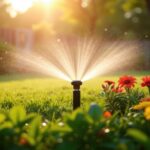
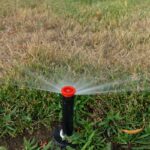
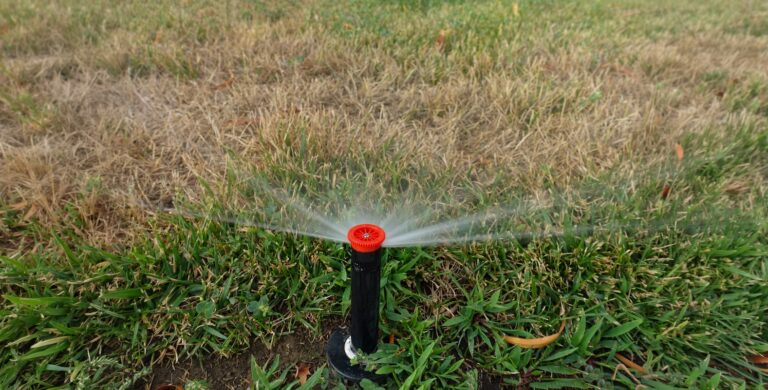
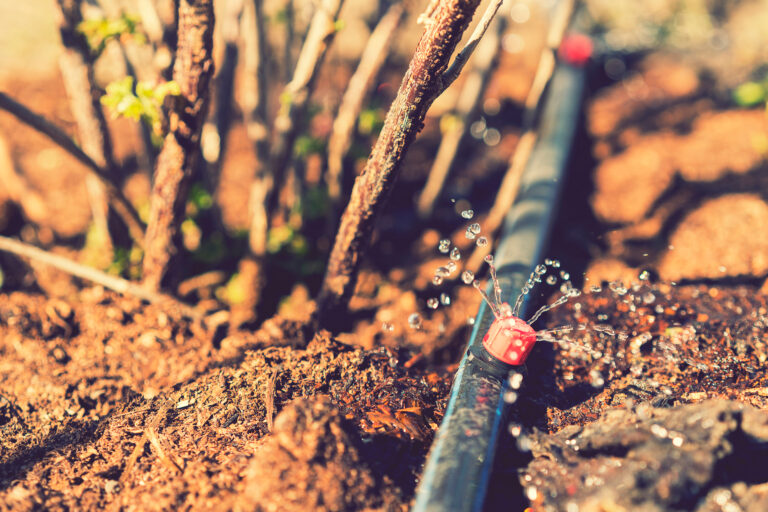
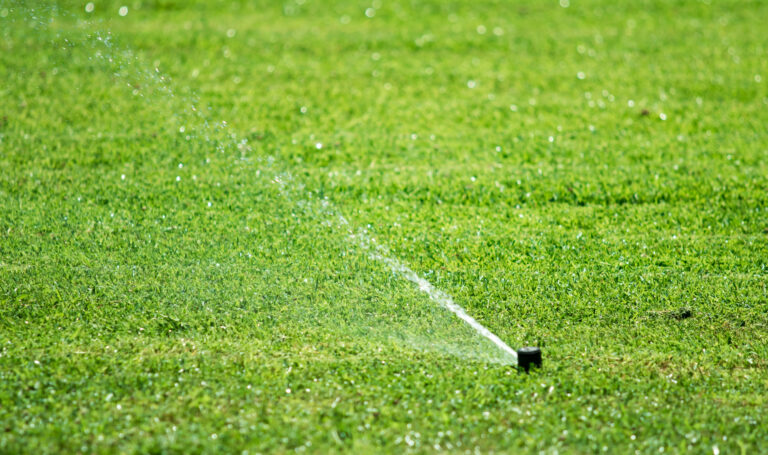
At the same time, irrigation methods also became more efficient. The invention of drip and spray irrigation reduced the amount of water wasted. Reusing irrigation runoff also helped to economize water use.
South Austin Irrigation offers repair and service for existing irrigation systems. Contact us today!