Austin summers are hard on sprinkler systems. High heat, dry soil, frequent watering, and normal wear can expose problems such as broken heads, clogged nozzles, leaks, dry spots, and controller issues.
Catching these problems early can help reduce water waste, limit lawn stress, and prevent small issues from becoming more expensive repairs later in the season.
1. Broken or Damaged Sprinkler Heads
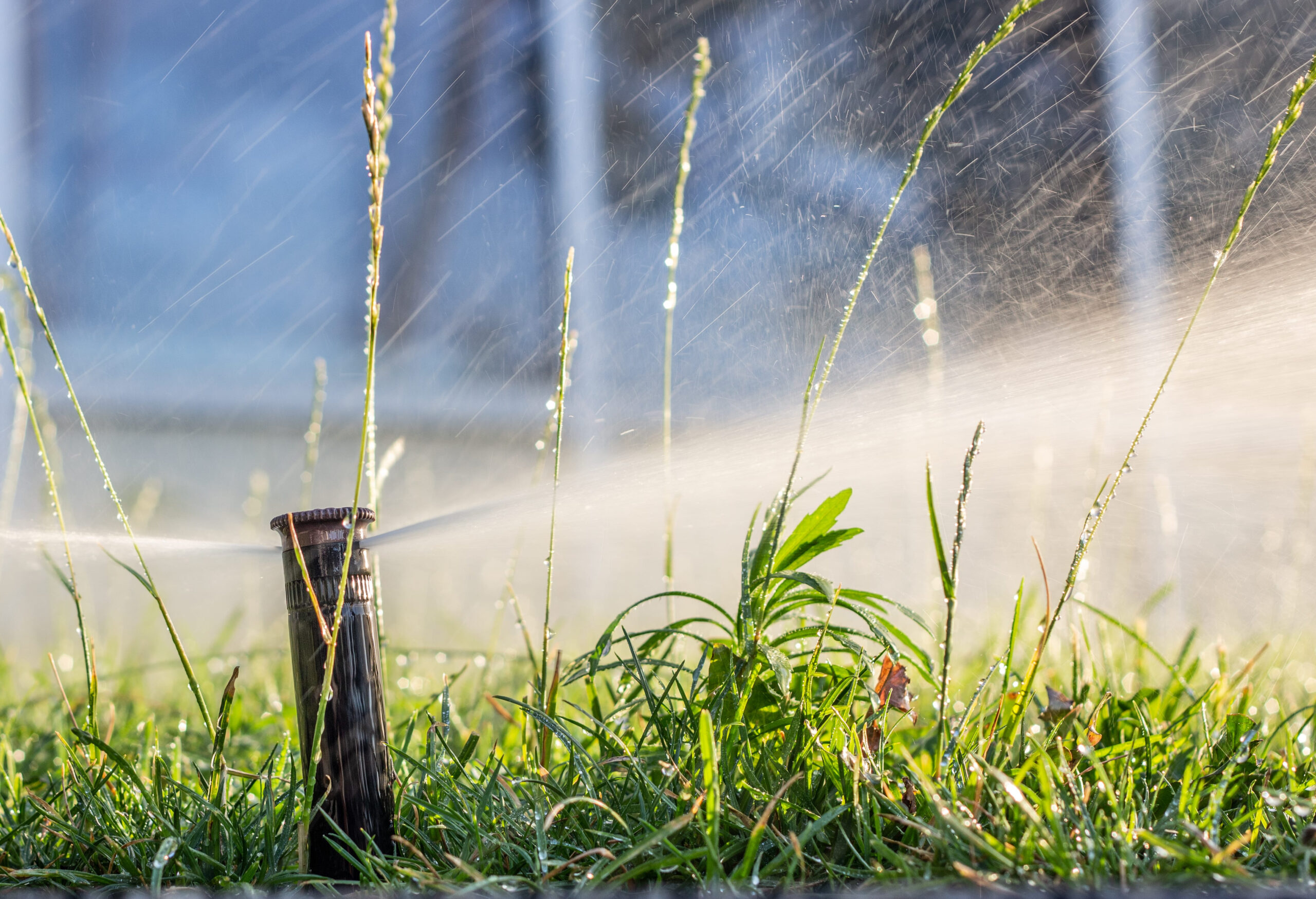
Sprinkler heads can get damaged by lawn equipment, foot traffic, shifting soil, or everyday use. During a busy summer watering season, broken heads are one of the most common issues homeowners notice.
Signs of damaged sprinkler heads include:
- Water spraying in the wrong direction
- Low spray from one head
- Water pooling around the sprinkler
- Dry spots nearby
- Heads that do not pop up or retract properly
What You Can Do in Summer
Walk your property while the system is running and look for heads that are leaking, spraying sideways, blocked, or not coming up correctly. Replacing damaged heads during the summer can help improve coverage and reduce water waste while your lawn needs water the most.
What to Plan for in Fall
Fall is a good time to upgrade older heads to more efficient spray heads or rotary nozzles. These can improve coverage and help reduce runoff, especially in areas where water is hitting sidewalks, driveways, or the street.
2. Clogged Sprinkler Nozzles
Austin lawns can collect dirt, grass clippings, mulch, and debris throughout the summer. Over time, sprinkler nozzles can become clogged and stop spraying evenly.
Common signs include:
- Uneven spray patterns
- Weak water flow from one sprinkler
- Dry patches in one section of the lawn
- Misty or distorted spray
What You Can Do in Summer
Check each zone and look for nozzles that are not spraying correctly. Some clogged nozzles can be cleaned, while others may need to be replaced. Taking care of clogs during the summer helps prevent dry spots and stressed grass.
What to Plan for in Fall
If your system has several clogged or worn nozzles, it may be time for a full sprinkler head and nozzle inspection. This helps make sure each zone is watering evenly before the next growing season.
3. Leaking Valves or Underground Leaks
Leaks can be harder to spot, especially if they are underground or inside a valve box. The transition from the winter cold to the hot summer, soil movement and heavy system use can reveal weak points in your irrigation lines.
Watch for:
- Soggy areas in the lawn
- Water running when the system is off
- Low pressure in one zone
- Muddy spots near sprinkler heads
- An unusually high water bill
What You Can Do in Summer
If you notice standing water, soft ground, or a zone that does not have normal pressure, schedule an inspection. Leaks should be repaired during the summer so they do not waste water or leave parts of your lawn without enough coverage.
What to Plan for in Fall
Fall is a smart time to check valves, fittings, and main irrigation lines before freezing temperatures arrive. Existing leaks can become worse during a winter freeze, especially if water is trapped in damaged parts of the system.
4. Poor Coverage and Dry Spots
Part way through the summer, it is possible to see areas of the lawn that are not getting enough water. This may happen because sprinkler heads are blocked, misaligned, spaced poorly, or no longer matched to the current landscape.
Common causes include:
- Overgrown plants blocking spray patterns
- Sprinkler heads aimed incorrectly
- Uneven water pressure
- Heads that do not match the area
- Landscaping changes since the system was installed
What You Can Do in Summer
Look for areas that are consistently dry or overwatered while the system is running. A sprinkler technician can adjust heads, replace nozzles, and make sure each zone is covering the right area before heat stress causes more damage.
What to Plan for in Fall
If coverage issues are ongoing, plan for zone adjustments or layout improvements in the fall. This can help your system water more efficiently when spring and summer return.
5. Outdated Sprinkler Controller Settings
Many sprinkler systems continue running on the same schedule all summer, even when rainfall, restrictions, or lawn needs change. This can lead to overwatering, wasted water, and unhealthy lawn conditions.
Signs your controller needs attention include:
- Watering too often
- Watering after rain
- Runoff from oversaturated areas
- Zones running longer than needed
- Seasonal settings that have not been adjusted
What You Can Do in Summer
Review your watering schedule during the summer and adjust it based on heat, rainfall, and Austin-area watering rules. Your system should be set to water efficiently without creating runoff or wasting water.
What to Plan for in Fall
Consider upgrading to a smart irrigation controller. Smart controllers can adjust watering based on weather, season, and local conditions, which helps reduce waste and keeps your system from running unnecessarily.
6. Drip Irrigation Repairs and Upgrades
Drip irrigation is commonly used for flower beds, shrubs, trees, and landscape areas. Drip lines may become clogged, damaged, disconnected, or buried under mulch and debris.
Common issues include:
- Dry plants even though the zone is running
- Water pooling in one area
- Broken drip tubing
- Clogged emitters
- Disconnected lines
What You Can Do in Summer
Check landscape beds for dry plants, wet spots, or exposed drip lines. Repairing drip irrigation during the summer can help protect plants during the hottest part of the year.
What to Plan for in Fall
Fall is a good time to add or improve drip irrigation in planting areas. This can help water trees, shrubs, and beds more efficiently while reducing waste.
7. Plan Ahead for Freeze Protection
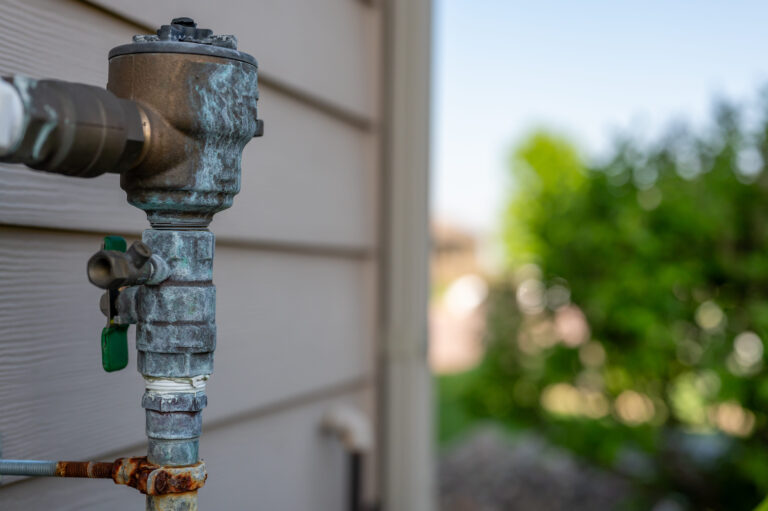
Austin winters can be unpredictable. Even if freezes are not frequent, one hard freeze can damage exposed irrigation components, backflow preventers, valves, and pipes.
What You Can Do in Summer
Use the summer season to identify weak spots while your system is being used regularly. Broken heads, leaks, pressure problems, and exposed components are easier to find when the system is running often.
What to Plan for in Fall
Before the first freeze, make sure your system is prepared. This may include insulating exposed parts, knowing how to shut off the irrigation system, repairing leaks, and having your system inspected for weak points.
Schedule Sprinkler Repairs and Upgrades Before Fall
Summer is the best time to take care of sprinkler system problems before they become more expensive. Broken heads, leaks, clogged nozzles, poor coverage, and outdated controllers can all waste water and put extra stress on your lawn.
South Austin Irrigation can inspect your system, make needed repairs, recommend upgrades, and help prepare your irrigation system for the fall and winter seasons.
Need Sprinkler System Repairs or Upgrades in South Austin?
Contact South Austin Irrigation today to schedule a sprinkler inspection and get your system ready after the summer season.