When one sprinkler zone stops working but the rest of the system still runs, it usually means the problem is isolated to that specific zone. For Austin homeowners, this can be frustrating, especially during hot weather when every watering day matters.
A single zone issue can come from several different causes, including a bad valve, wiring problem, controller issue, clogged heads, broken pipe, or low water pressure in that part of the system. Some problems are simple. Others need a licensed irrigation professional to locate the issue without damaging the yard or wasting more water.
Here are the most common reasons one sprinkler zone may not be working and what to look for before scheduling sprinkler repair in Austin.
First, What Is a Sprinkler Zone?
A sprinkler zone is one section of your irrigation system that runs at a specific time. Each zone is controlled by a valve, and each valve is connected to your sprinkler controller.
Most homes have several zones because different parts of the yard need different watering coverage. For example, your front lawn, side yard, flower beds, and backyard may all run separately.
When one zone does not turn on, but the others do, the problem is usually somewhere between the controller, wiring, valve, pipes, or sprinkler heads serving that area.
Common Reasons One Sprinkler Zone Is Not Working
1. The Zone Valve Is Not Opening
Each sprinkler zone has a valve that allows water to flow to that section of the system. If the valve fails, gets stuck, or has debris inside, the zone may not turn on.
Signs of a valve problem can include:
- One zone not running at all
- A zone that turns on manually but not from the controller
- Weak or inconsistent water flow
- A zone that stays on after it should shut off
- Water leaking near the valve box
Valve issues are common in sprinkler systems because valves sit underground and are exposed to soil, moisture, roots, age, and normal wear.
2. There Is a Wiring Problem
If your controller sends a signal to the zone but the valve does not respond, the issue may be electrical. Sprinkler wiring can be damaged by age, digging, rodents, landscaping work, or moisture in underground connections.
This is especially common after:
- Fence installation
- Tree planting
- Patio or walkway projects
- Lawn edging
- Utility work
- Previous irrigation repairs
If the wire connection is damaged, the controller may still appear to work normally, but the zone will not activate.
3. The Controller Setting Is Wrong
Sometimes the issue is not underground. It may be in the sprinkler controller.
A zone may not run if it has been turned off, skipped, set to zero minutes, assigned to the wrong program, or affected by a rain sensor or smart watering setting. Before assuming something is broken, check whether the controller is programmed correctly.
This is especially worth checking if the problem started after:
- A power outage
- A seasonal schedule change
- Someone adjusted the controller
- A new smart controller was installed
- Watering restrictions changed
In Austin, irrigation schedules matter because local water restrictions limit when automatic sprinkler systems can run. If a controller is programmed incorrectly, it can lead to wasted water, dry areas, runoff, or watering outside permitted days and times.
4. Sprinkler Heads Are Clogged, Broken, or Misaligned
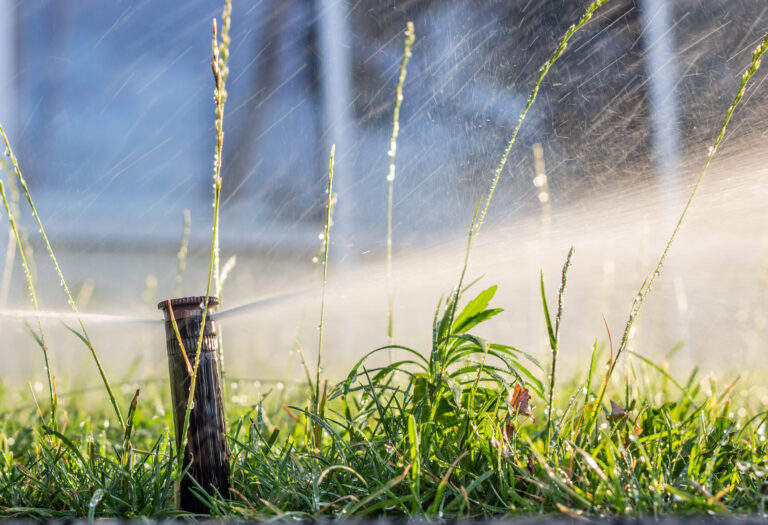
If the zone turns on but does not water properly, the problem may be at the sprinkler heads.
Heads can get clogged with dirt, damaged by lawn equipment, tilted by soil movement, blocked by overgrown grass, or pushed out of position over time. In this case, the zone may technically be running, but the coverage will look poor.
Common signs include:
- Dry patches in one area of the lawn
- Water spraying into the street, driveway, or sidewalk
- Heads bubbling instead of spraying
- Heads that do not pop up fully
- Uneven coverage across the zone
- One head spraying much weaker than the others
This type of issue may only require sprinkler head replacement, nozzle adjustment, unclogging, or pressure correction.
5. There Is a Broken Pipe or Underground Leak
A broken lateral line can keep one zone from building enough pressure. If water is escaping underground, the sprinkler heads may barely spray, bubble, or fail to pop up.
Look for signs such as:
- A soggy area in the yard
- Water pooling when the system runs
- A sudden drop in pressure
- Muddy spots near sprinkler heads
- One zone using more water than usual
- Grass that is unusually green in one spot
In Austin-area yards, underground irrigation lines can be affected by soil movement, tree roots, landscaping work, and aging PVC. If you suspect a broken line, it is better to stop running that zone until it is inspected.
6. The Zone Has a Pressure Problem
Sometimes one zone works, but the water pressure is too weak for proper coverage. This can happen when a zone has too many heads, a leak, clogged nozzles, a partially closed valve, or an issue with the main or lateral line.
Low pressure can make your system run longer without actually watering effectively. That matters for Austin homeowners because irrigation windows are limited, and wasted runtime can lead to higher water use without better lawn coverage.
What You Can Check Before Calling for Sprinkler Repair
Before scheduling service, you can do a few simple checks:
- Turn on the zone manually from the controller.
- Confirm the zone has runtime programmed.
- Check whether a rain sensor or smart controller setting is preventing watering.
- Look for visible leaks, pooling water, or soggy soil.
- Check sprinkler heads for clogs, damage, or misalignment.
- Listen near the valve box to see if the valve hums or clicks.
- Compare the weak zone to zones that are working normally.
If the zone still does not run, or if you see signs of leaking, wiring trouble, or valve failure, it is time to bring in a professional.
Why One Broken Zone Should Not Be Ignored
A single zone problem can cause more than just a dry patch in the lawn. It can also waste water, raise your bill, stress your landscape, and make the rest of your watering schedule less effective.
For example, if one zone has a leak, the system may lose pressure and water may never reach the areas that need it. If one zone is misaligned, you may be watering sidewalks, driveways, fences, or the street instead of the lawn. If a controller or valve issue goes unresolved, the zone may stop running completely or run when it should not.
In Austin, where homeowners already need to be mindful of watering schedules and conservation rules, sprinkler efficiency is not just a convenience. It helps protect your lawn while reducing unnecessary water waste.
Sprinkler Zone Repair in Austin, TX
South Austin Irrigation helps homeowners repair and improve existing sprinkler systems throughout the Greater Austin Area. Whether the issue is a faulty valve, broken line, controller problem, wiring issue, clogged head, or poor coverage, a proper diagnosis can help get your system working efficiently again.
If one sprinkler zone is not working, do not keep increasing the runtime to compensate. The better solution is to find out why that zone is failing and repair the actual problem.
Need help with a sprinkler zone that will not turn on, has weak pressure, or is leaking?
Contact South Austin Irrigation to schedule sprinkler repair in the Austin area.