If your yard is a patchwork of thin grass, bare spots, and weeds, spring is the perfect time to overseed and restore that worn-out lawn.
When to Overseed
Warm-season grasses in the Central Texas and Austin area should be overseeded during their active growing period. This extends from late spring to early summer when the temperatures range from 70°F to 95°F.
Benefits of Overseeding
Overseeding is the process of spreading grass seed on an existing lawn, resulting in new growth and an additional thickness that makes it difficult for weeds to sprout. It replenishes lawns that are deteriorating due to heavy traffic, natural aging, and damage from pets.
For lawns established many years ago, the overall quality can also be improved by overseeding with a new cultivar (a variety of a specific plant that is created and maintained through cultivation ) within the same grass type. Newer cultivars offer better color and are more resistant to insects, disease, or drought. Some even have more tolerance for shade, sun, or certain temperatures, making them a better choice for the conditions and climate in your yard.
Planning Ahead
Before overseeding your lawn, plan ahead to fix any existing problems that would prevent the growth of a healthy new lawn:
- Get your soil tested, and amend it based on the test results.
- Apply a weed pre-emergent early enough so it has time to dissipate before overseeding. Follow the waiting periods advised on the herbicide.
Preparing the Soil
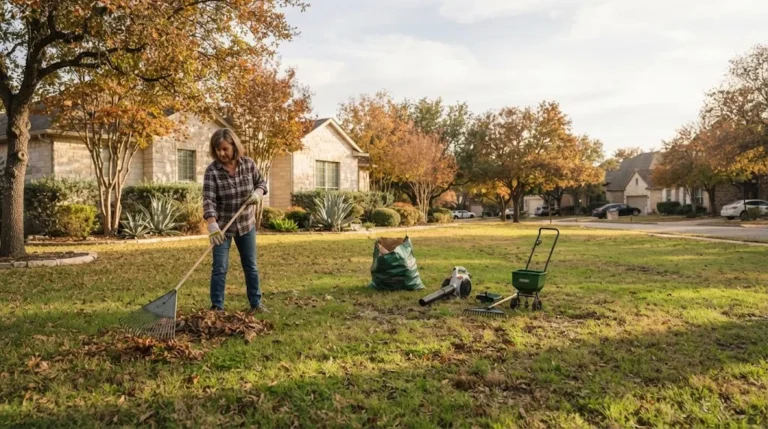
For seeds to germinate they have to be able to contact the soil. Mow the lawn to a shorter height, 2 inches or lower, and collect the grass clippings in a bag attachment. Then rake the lawn with a metal rake to lift debris and any clippings from earlier mowings. You want the soil exposed.
Removing Thatch
Thatch is that layer of living and dead grass, plus other organic material, lying on top of the soil. It can build-up faster than it breaks down. A layer of more than 1/2 inch causes problems for your lawn by depriving it of essential nutrients, air, water, and sunshine. A thatch build-up can also prevent seeds from reaching the soil.
Dethatching isn’t necessary if you can easily push your finger through a thatch layer of about 1/2 inch. If you are going to dethatch your lawn, you can rent a power dethatcher, or use either a dethatching or bow rake. When finished, remove all the thatch debris.
Aerating
Aeration is the action of creating holes in the soil. It’s done to break up compacted soil that’s preventing grass roots from receiving oxygen, water, and nutrients. As an added benefit, lawn aeration also breaks up thatch.
There are different tools for aerating that can be divided into three main categories:
- Core aerators: use hollow tines to pull out plugs or cores of soil and grass approximately 1/2 to 3/4 inches in diameter, and 2 to 3 inches long.
- Spike aerators: use solid forks to punch holes in the ground.
- Slice aerators: use rotating blades to cut or slice into the soil.
Core aeration is considered the most effective method. You can rent motorized core aerators from equipment rental companies, or purchase or rent non-motorized ones at home and garden centers. You can also buy handheld core aerators for use on smaller lawns.
It’s easier to aerate when the soil is moist so the tines can dig deeper. Water your lawn the day before, or wait a day after a rainfall. Don’t aerate when the soil is too wet, or it will clog the aerator tubes.
The aerator holes should be spaced 3 to 4 inches apart, so make several passes over the lawn in different patterns or angles. Some seeds will find their way into the holes, giving them safer places to grow. To give the seeds the best chance to make contact with the soil, don’t leave the soil cores on the surface.
Overseeding
Popular warm-season grasses in the Central Texas and Austin areas that can be grown from seed include: Bermuda, zoysia, centipede, and buffalo.
Purchase a top quality grass seed rather than a bargain brand, and use the same type of seed as your own grass. When you mix seed types the textures and colors won’t match. As well, each species has its own temperature tolerances and fertilizer needs, and often the more aggressive species will take over.
The seed package will give you the overseeding (reseeding) rate for that variety. Be sure you’re looking at the overseeding rate and not the seeding one. You can adjust the rate as needed if your lawn is already thick, or if you overseed on an annual basis.
To spread the seed, use a handheld spreader for smaller lawns, and a drop or slit seeder for larger areas. When done, rake any bare areas to cover the seeds with a thin layer of soil.
Watering
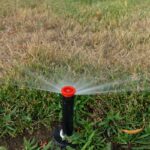
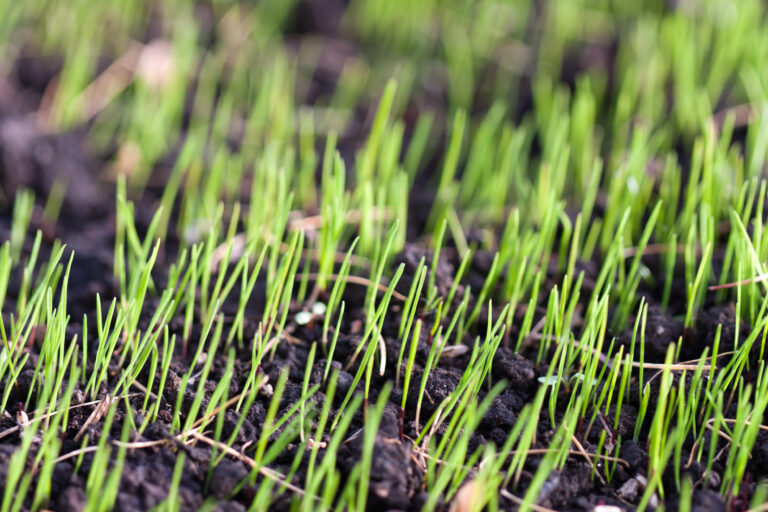
The seeds need water to germinate. Make sure the soil is moist with a light watering 2 or 3 times a day. After 5 to 7 days when the seeds start to sprout, water less often and more deeply to encourage a healthy root system. Allow the soil to dry somewhat before each watering to prevent root rot. It’s also important not to let the seedlings get too dry, or they may die.
Fertilizing
After overseeding, you can apply a starter fertilizer that contains higher amounts of phosphorus and a quick-releasing nitrogen. Avoid a fertilizer that includes herbicides as these can prevent seed germination.
Mowing
Let the new grass grow to at least 3 inches high before mowing. You want the grass blades tall enough for moisture to reach them, and with enough thickness to prevent the mower wheels from creating ruts. Use a mower with sharp blades so the young grass isn’t damaged or uprooted. Be sure to bag the clippings.
For the first mowing, remove 1/2 to 3/4 inches. Mow again when the grass reaches 3 inches, removing no more than 1 inch. With subsequent mowings, follow the recommended mowing heights for your grass type.
More spring grass planting tips are available to help ensure your lawn flourishes all year round.
Call the experts at South Austin Irrigation at (512) 534-7449 or fill out our Service Request form for professional maintenance and repair to your sprinkler system all year round.