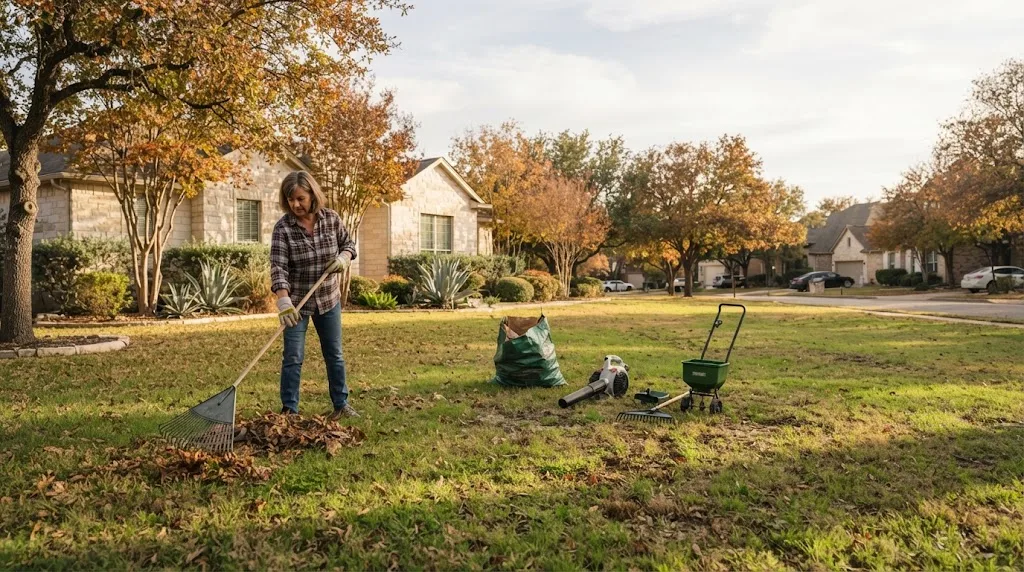
A thick, healthy lawn in spring doesn't start when temperatures warm up. What you do during the fall can have a major impact on how well your lawn comes back after winter.
For Austin homeowners, fall is an important transition period. Warm-season grasses such as St. Augustine, Bermuda, and Zoysia begin slowing down as temperatures cool, while their watering and maintenance needs change.
Avoiding a few common fall lawn care mistakes can put your yard in a much better position when spring arrives.
1. Continuing to Water Like It's Still Summer
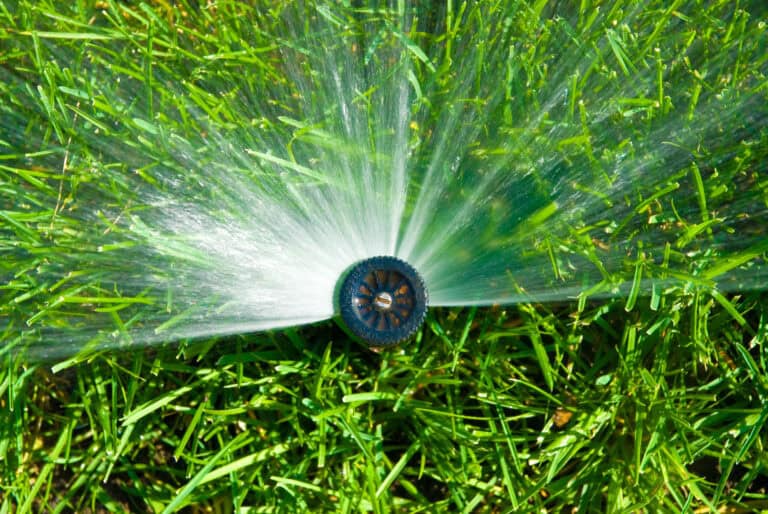
One of the easiest mistakes to make is leaving your sprinkler controller on its summer schedule.
During July and August, Austin lawns may need considerably more water because of intense heat and evaporation. As temperatures cool in the fall, the soil holds moisture longer and grass growth begins to slow.
Austin Water specifically recommends reducing irrigation frequency during the fall.
Continuing to water at peak-summer levels can leave the soil overly wet and may contribute to runoff, wasted water, and lawn disease.
Instead, pay attention to rainfall and soil moisture and gradually reduce irrigation as conditions change.
2. Ignoring Dry Spots Instead of Finding the Cause
A dry patch in the lawn doesn't necessarily mean the entire yard needs more water.
It could indicate an irrigation problem.
Common causes include:
- A clogged sprinkler nozzle
- A damaged sprinkler head
- A head that has shifted out of position
- Landscaping blocking the spray
- Low pressure within a sprinkler zone
- An underground irrigation leak
Increasing the watering time for the entire zone may give healthy areas too much water while still failing to solve the dry spot.
Fall is a good time to run each sprinkler zone and make sure water is being distributed evenly.
3. Cutting the Grass Too Short
It can be tempting to give the lawn one final short cut before winter, but scalping warm-season turf can create unnecessary stress.
Taller grass provides more leaf surface for photosynthesis and can help shade the soil and support the root system.
Austin Water recommends using a higher mower setting because taller grass can develop deeper roots while reducing moisture loss from the soil.
Continue mowing while your grass is actively growing, but avoid suddenly cutting it dramatically shorter as fall progresses.
4. Applying Fertilizer Without Knowing What the Lawn Needs
Fall fertilizer isn't automatically beneficial for every lawn.
Applying too much nitrogen late in the season can encourage tender new growth just as warm-season grass should be preparing for dormancy.
Instead of automatically buying a "winterizer," consider the condition of your lawn and soil first.
The City of Austin's lawn-care guidance recommends basing fertilizer applications on soil testing and notes that fall fertilization may only be necessary when the lawn appears unhealthy.
Applying the right product at the right time is more important than simply fertilizing because it's fall.
5. Going Into Winter With Sprinkler Problems
A sprinkler system doesn't have to stop working completely to have a problem.
A small leak, crooked sprinkler head, weak zone, or improperly adjusted controller may quietly waste water for months.
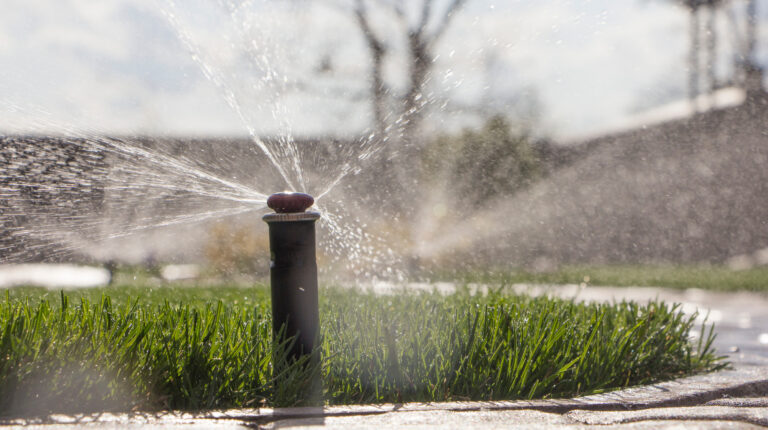
Fall provides a good opportunity to catch these problems while the lawn's irrigation needs are decreasing.
Run each zone and look for:
- Water spraying onto pavement
- Heads that don't pop up completely
- Uneven coverage
- Water pooling around sprinkler heads
- Broken or tilted heads
- Unusually weak spray
- Areas of the lawn that remain consistently wet or dry
Correcting these issues now means the irrigation system will be in better condition when your lawn begins actively growing again in spring.
Bonus: Don't Overseed Just Because Your Lawn Turns Brown
Many common Austin grasses naturally go dormant during colder weather.
A brown winter lawn isn't necessarily a dead lawn.
Austin Water specifically advises against overseeding warm-season turf with winter grass simply to keep the yard green. Overseeding requires additional irrigation and maintenance and can interfere with the permanent turf as it returns in spring.
Allowing warm-season grass to follow its natural seasonal cycle can often be the better approach.
A Better Spring Lawn Starts in the Fall
You don't have to spend the entire fall working on your yard to improve how it looks next spring.
Focus on the basics:
Reduce irrigation as temperatures cool, continue mowing appropriately, avoid unnecessary fertilizer, watch for problem areas, and make sure your sprinkler system is distributing water evenly.
A little attention now can help your Austin lawn enter winter in better condition and give it a stronger start when warmer weather returns.
If you're noticing dry spots, uneven watering, leaking sprinkler heads, low pressure, or other irrigation problems, South Austin Irrigation can inspect your system and make the necessary repairs or adjustments before winter.
Making sure your sprinkler system is operating properly now is one of the simplest ways to help set your landscape up for a healthier spring.
For any sprinkler repairs or maintenance this fall and winter reach out to South Austin Irrigation.